Home › Services › Floor Tile Installation
Floor Tile Installation in Miami, FL
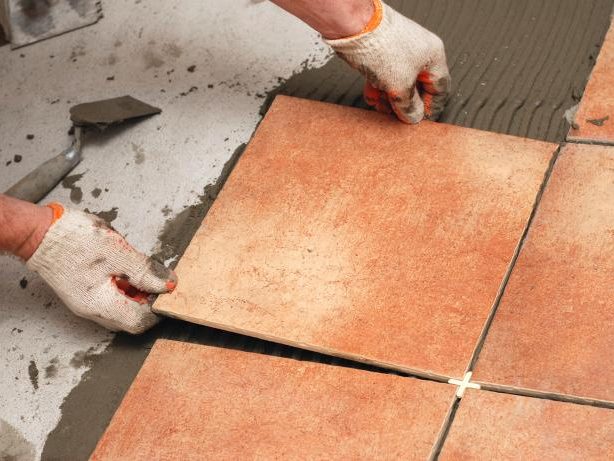
New floor tile changes a room faster than almost any other renovation, but the difference between a floor that looks sharp for fifteen years and one that cracks, hollows out, or looks uneven within a couple of seasons comes down to what happens before the first tile ever touches thinset. Elite Tile Installers Miami installs floor tile for living rooms, kitchens, hallways, bedrooms, and full whole-home renovations across Miami-Dade, and we build every floor on a properly prepped, properly flat substrate — not just over whatever's already down there.
Florida's building stock adds its own wrinkles to floor tile work. Older homes in neighborhoods like Coral Gables and South Miami often have terrazzo or aging ceramic underneath that needs to be assessed before new tile goes over it, while newer construction in Doral or Cutler Bay usually means a clean concrete slab that still needs moisture testing and leveling. We evaluate your specific subfloor before quoting the job, not after we've already started cutting tile.
From a single hallway to a full open-concept first floor, we lay out the pattern first, dry-fit problem areas like doorways and fireplace hearths, and only then start setting tile in thinset. Call (305) 501-6723 for a free, on-site quote.
📞 Call (305) 501-6723
Request This Service
* Indicates required field
Our Floor Tile Installation Process
Every floor job starts with a walk of the space to check the subfloor for cracks, unevenness, and moisture before we ever quote a price. Once the scope is set, we snap chalk lines and dry-lay the first few rows to confirm the pattern centers the way it should in doorways and focal points — adjusting layout after tile is already set is how you end up with a sliver of tile against one wall. Only after that layout is approved do we mix thinset and start setting tile row by row, checking each piece for level and lippage as we go, then grouting once the thinset has fully cured.
We work the room in sections rather than covering the whole floor in thinset at once, which keeps the mortar from skinning over before tile is set into it and lets us catch a layout issue in one section before it repeats across the entire room. Baseboards, cabinet toe-kicks, and door casings get scribed and cut around individually rather than gapped and covered with a wide piece of quarter-round, which is a small detail that makes a real difference in how finished the room looks once furniture goes back in.
Subfloor Prep & Crack Isolation Membranes
Tile is rigid; subfloors move slightly with temperature, moisture, and settling, and that mismatch is where most floor tile cracks come from. On concrete slabs we check for existing cracks and moisture levels before tiling over them, and on any floor with a history of minor movement we install a crack-isolation membrane between the substrate and the tile to absorb that movement before it reaches the tile. Skipping this step to save a day of labor is the single most common reason a brand-new floor develops a crack running straight through a tile within the first year.
We also check for wood subfloor deflection on second-story rooms and older frame construction, since too much flex under a tile floor causes the same cracking problem a slab crack does — in those cases we may recommend an additional layer of cement backer board screwed and thinset down before tile ever goes on, adding stiffness the subfloor doesn't have on its own. It's an extra step, but it's far cheaper than pulling up cracked tile a year later.
Choosing the Right Tile Format for Your Floors
Floor tile options range from standard 12x12 and 12x24 porcelain to large-format 24x24 and 24x48 planks, wood-look porcelain planks, and natural stone. Larger formats read as more modern and mean fewer grout lines, but they demand a flatter substrate and more careful handling during the cut and set. High-traffic hallways and kitchens generally do best with a textured or matte-finish porcelain for slip resistance, while a polished stone or high-gloss porcelain can work well in lower-traffic formal spaces. We'll walk you through which format fits your specific room and budget during your quote.
Pattern choice matters as much as format — a straight lay is the most cost-efficient and reads cleanly in most rooms, while a diagonal, herringbone, or offset brick pattern adds visual interest but increases waste and cutting time, which shows up as a higher labor line on the quote. For open-concept homes where the floor runs continuously through several rooms, we plan the starting point and pattern direction around the largest, most visible room so the layout reads intentionally from every angle, not just from the front door.
Thinset, Grout, and Transition Details
We select thinset based on the tile size and material — large-format tile requires a large-and-heavy-tile-rated mortar, while natural stone needs a non-staining white thinset. Grout choice matters just as much: high-traffic floors generally call for sanded grout for durability in wider joints, while narrow joints on polished tile call for unsanded. We finish every floor with properly installed transition strips or reducer strips at doorways and material changes so there's no trip hazard and no exposed tile edge.
Grout color is a decision worth slowing down for — a lighter grout shows dirt and traffic patterns faster in a busy hallway or kitchen, while a darker or mid-tone grout hides day-to-day wear better without going so dark it looks like a solid black grid across the floor. We bring physical grout samples to the job site rather than relying on a color chip, since grout color reads differently under a room's actual lighting than it does on a small sample card.
Signs Your Floors Need New Tile
Cracked or chipped tiles, grout lines that are crumbling or staining no matter how often you clean them, tiles that sound hollow or shift slightly underfoot, and outdated colors or patterns are all reasons Miami homeowners call us for a full floor replacement rather than a spot repair. A hollow-sounding tile in particular usually means the bond to the substrate has failed underneath, and tapping a few adjacent tiles will often reveal the same problem spreading — at that point patching one tile doesn't fix the underlying cause.
We're also frequently called in after a homeowner notices their floor tile simply looks dated compared to a recently renovated kitchen or bathroom elsewhere in the home — an older 18x18 ceramic floor from the 1990s or early 2000s reads noticeably different from a modern large-format porcelain floor, and replacing it is often what finally makes a renovated space feel fully finished rather than half-updated.
What Drives the Cost of Floor Tile Installation
Square footage is the biggest factor, but material choice, layout complexity (diagonal or herringbone patterns take longer than a straight lay), the condition of the existing subfloor, and whether old flooring needs to be removed first all move the price. A straightforward porcelain floor over a clean, flat slab is the most cost-efficient option; large-format tile, intricate patterns, and floors needing significant leveling or crack-isolation work cost more per square foot because they take longer to install correctly.
The room's shape and how many corners, closets, and transitions it has also affects labor time more than most homeowners expect — a simple rectangular room takes far less cutting and layout work than an L-shaped space with multiple doorways, even at the same total square footage. We walk the actual space before quoting rather than pricing off a square-footage number alone, since two rooms of the same size can take very different amounts of time to tile correctly.
Florida Licensing & Insurance
We operate as a licensed and insured Florida contractor and carry general liability coverage, which matters more than most homeowners realize — an uninsured installer who damages a slab or causes a water issue leaves you covering the repair yourself. For condo and HOA properties across Miami-Dade, we routinely provide certificates of insurance directly to building management before work begins, so there's no scramble at the last minute.
Florida's construction contracting framework under state law exists specifically to protect homeowners from exactly this kind of exposure, and we treat that licensing and insurance as a baseline requirement for doing this work responsibly, not as an optional upsell. If you ever want to verify our insurance before scheduling, we're glad to provide documentation upfront rather than after you've already asked.
Timeline & What to Expect
A single room typically takes 1-2 days from tear-out through grouting; a whole-home floor runs longer depending on square footage and how many rooms and transitions are involved. We protect adjacent flooring and furniture, contain dust as much as possible during cutting, and haul away old flooring and debris as part of the job — you shouldn't be left with a dumpster of demo debris to deal with yourself.
We also walk you through a realistic move-back timeline before we start — furniture generally needs to stay off the new floor for at least 24 hours while thinset fully cures, and heavy furniture or appliances longer than that. Knowing that timeline in advance lets you plan around the project instead of being surprised mid-job that the living room can't be put back together the same evening the tile goes down.
Floor Tile Installation FAQs
Can you install new floor tile over my existing tile?
Sometimes, if the existing tile is flat, well-bonded, and not cracked — we'll test it during your quote. In most cases we recommend full removal, especially in older Miami-Dade homes where the existing tile was set directly over terrazzo or an uneven mud bed, since tiling over a compromised surface just transfers the same problems to the new floor.
Will my new floor tile crack like my old one did?
Not if the cause of the original crack gets addressed first. We inspect for slab cracks, settling, or subfloor movement before we quote, and we install crack-isolation membrane wherever there's a history of movement, which is the actual fix — replacing the tile without addressing what cracked it just delays the same failure.
Areas We Serve
Proudly providing tile installation across the region:
- Coral Gables, FL
- Miami Beach, FL
- Kendall, FL
- Doral, FL
- Aventura, FL
- Brickell, FL
- Pinecrest, FL
- Hialeah, FL
- Homestead, FL
- Cutler Bay, FL
- Miami Lakes, FL
- South Miami, FL
Get Floor Tile Installation in Miami Today
Fast response, upfront pricing, and friendly local pros. Call now for a free quote.
📞 Call (305) 501-6723