
๐Ÿ“ž Call for a Free Quote: (305) 501-6723

Natural Stone Tile Installation in Miami, FL

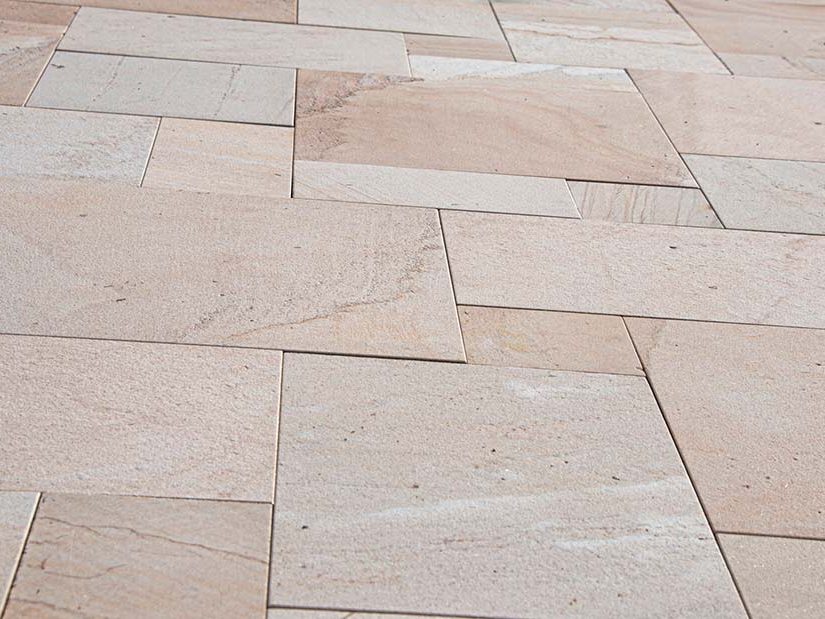
Natural travertine stone tile installed on a Miami outdoor deck

Natural stone tile brings a depth and character that manufactured tile can't fully replicate โ€” no two pieces are identical, and the veining, texture, and color variation in marble, travertine, limestone, and slate are exactly why clients choose it for entries, primary bathrooms, and feature walls. Elite Tile Installers Miami installs natural stone across Miami-Dade, and because stone behaves fundamentally differently from porcelain or ceramic โ€” it's porous, it can stain, and some varieties etch from acidic contact โ€” we set and finish it accordingly, not with the same materials and process we'd use on manufactured tile.

Every stone installation starts with sealing โ€” most natural stone needs to be sealed before grouting to prevent the grout itself from staining the stone's surface, and it needs to be sealed again after installation and periodically afterward to stay protected. We also set stone with a non-staining white thinset rather than standard gray thinset, since gray thinset can shadow through lighter, more translucent stones like certain marbles.

Whether you're bringing in travertine for a Mediterranean Revival-style entry in Coral Gables or polished marble for a primary bathroom, we handle the material selection guidance, sealing, and setting as one coordinated process. Call (305) 501-6723 for a free quote.

๐Ÿ“ž Call (305) 501-6723

Request This Service

* Indicates required field

Stone Types: Marble, Travertine, Limestone & Slate

Marble offers the classic polished or honed look with dramatic veining but is among the softer, more porous stones and needs the most careful sealing and maintenance. Travertine, with its natural pitted texture, works especially well filled and honed for floors and outdoor spaces and has deep roots in the Mediterranean Revival architecture found throughout Coral Gables. Limestone brings a soft, uniform look โ€” Florida's own native limestone bedrock is part of why the material feels so at home here โ€” and slate offers a rugged, textured, slip-resistant surface well suited to entries and outdoor applications.

Granite, while less common as a floor tile than a countertop material, also comes up in stone installations for its hardness and resistance to scratching and etching compared to marble or limestone. We'll talk through the practical differences between these stone types in plain terms during your quote โ€” how soft or porous each one is, how it will actually wear in your specific room, and what that means for long-term upkeep.

Sealing Requirements Before and After Installation

Most natural stone is porous enough to absorb liquids, stains, and even the pigment from grout if it's not sealed first, so we apply a penetrating sealer to the stone before grouting on any porous material. After installation, we seal the finished surface again, and we walk clients through a realistic resealing schedule โ€” generally every one to two years depending on the stone type and how much traffic or moisture exposure the surface sees.

A simple water-bead test tells you when it's time to reseal โ€” if water no longer beads on the surface and instead soaks in within a minute or two, the sealer has worn through and the stone needs to be resealed. We show every stone client this test at project completion so you can check it yourself going forward rather than guessing at a resealing schedule.

Setting Materials Specific to Stone

We use non-staining white thinset on light-colored and translucent stone like marble and limestone, since a standard gray thinset can telegraph through and discolor the finished surface. Back-buttering every piece of stone is standard practice on our installs โ€” stone tiles are often less uniform in thickness than manufactured tile, and back-buttering fills those inconsistencies so there are no voids that could cause a piece to crack under weight.

Stone's natural thickness variation also means we frequently hand-sort tiles before setting, checking each piece against its neighbors so an unusually thick or thin piece doesn't create a lippage problem across an otherwise well-set floor or wall.

Grout Selection: Unsanded vs. Sanded for Polished Stone

Polished stone in particular needs unsanded grout in narrow joints, since sanded grout can scratch a polished surface during installation and cleanup. Wider joints or honed/textured stone can typically handle sanded grout without an issue. We also color-match grout carefully on stone installs, since stone's natural variation makes grout color choice a bigger visual decision than it is on uniform manufactured tile.

We generally recommend testing grout color against an actual offcut of your specific stone before committing, since the same grout color can read completely differently against a warm-toned travertine than it does against a cool gray marble.

Maintenance Considerations Homeowners Should Know

Natural stone needs pH-neutral cleaners โ€” standard bathroom cleaners and anything acidic (vinegar, citrus-based cleaners) can etch marble and limestone, leaving dull spots that sealing alone won't fix. We walk every stone client through a simple, realistic maintenance routine at project completion, since most stone problems we're called to address later trace back to the wrong cleaning product rather than an installation issue.

This is especially worth knowing for a stone shower or bathroom floor, where a well-meaning homeowner reaching for a common bathroom cleaner can etch an entire section of marble within a single cleaning โ€” damage that then requires professional honing or polishing to correct, so getting the cleaning routine right from day one saves real cost down the line.

Cost Factors: Material and Labor

Natural stone generally costs more than porcelain or ceramic in both material and labor, since sealing steps and the more careful handling stone requires add time to the install. Cost also varies significantly by stone type and finish โ€” a basic travertine costs considerably less than a high-grade polished marble โ€” and by whether the stone is being used as a full floor versus an accent application.

Book-matched or highly veined slabs, where pieces are cut and arranged so the natural pattern flows continuously across a wall or floor, cost more still given the careful planning needed to select and lay out pieces in the right order and orientation before any cutting starts.

Where Natural Stone Shines

Stone tends to make the most sense in entries, primary bathrooms, feature walls, and outdoor spaces where its natural variation and texture are the focal point, rather than in high-traffic utility spaces where a more forgiving, lower-maintenance porcelain often makes more practical sense. Many of our clients mix the two โ€” stone as an accent, porcelain for the field โ€” to get the visual impact of natural stone without sealing and maintaining an entire room's worth of it.

Coral Gables entries in particular are a place we install a lot of travertine and limestone, since it complements the Mediterranean Revival architectural style so many of the neighborhood's 1920s homes were built around, and it holds up well as an entry surface that sees both indoor and covered-outdoor foot traffic.

Common Mistakes: Wrong Sealer, Standard Grout Etching Stone

The most common stone-related callback we get isn't an installation defect โ€” it's a sealer that wasn't reapplied on schedule, or a cleaning product that etched a polished surface. The second most common issue is grout haze or pigment that wasn't properly cleaned off unsealed stone during the original install, which is why we always seal before grouting rather than treating that step as optional.

We also occasionally get called to fix stone that was installed with standard gray thinset instead of a non-staining white formula, leaving a permanent gray shadow visible through lighter stone โ€” a problem that's essentially impossible to correct short of removing and resetting the affected pieces, which is exactly why we don't cut that corner in the first place.

Natural Stone Tile Installation FAQs

Does natural stone tile need to be sealed, and how often?

Yes, almost all natural stone needs sealing both before and after installation, and most types need resealing roughly every one to two years depending on the stone and how much wear the surface sees. We'll give you a specific maintenance schedule for your exact stone at project completion.

Can I use natural stone in a shower?

Yes, with the right sealing and waterproofing behind it โ€” many of our shower installs use marble or travertine on the walls. It requires more diligent sealing than porcelain given the constant moisture exposure, which we'll walk you through so the stone stays protected long-term.

Areas We Serve

Proudly providing tile installation across the region:

Get Natural Stone Tile Installation in Miami Today

Fast response, upfront pricing, and friendly local pros. Call now for a free quote.

๐Ÿ“ž Call (305) 501-6723