Home › Services › Outdoor Patio & Pool Deck Tile Installation
Outdoor Patio & Pool Deck Tile Installation in Miami, FL
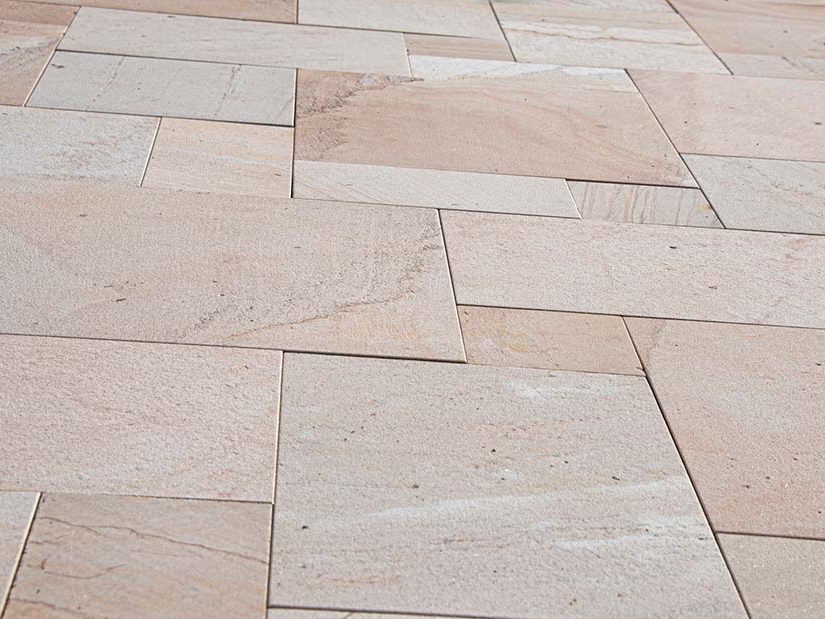
Outdoor tile in Miami has to survive conditions most indoor tile never faces — direct sun and UV exposure nearly year-round, heavy summer downpours, pool chemicals, salt air within a few miles of the coast, and bare feet that need real slip resistance around water. Elite Tile Installers Miami installs patio and pool deck tile across Miami-Dade with materials and techniques chosen specifically for that outdoor exposure, not indoor tile pressed into an outdoor application.
Porcelain pavers have become the standard for Miami pool decks and patios because they're UV-stable (won't fade the way some materials do under constant sun), essentially non-absorbent, and available in textured, slip-resistant finishes rated for wet barefoot areas. We also install waterline tile and coping for pool renovations, both of which need to handle constant chemical and water-level exposure without degrading.
Every outdoor installation we do accounts for proper drainage and expansion movement, since South Florida's heat cycles and heavy rain events put real stress on outdoor tile assemblies that indoor tile never experiences. Call (305) 501-6723 for a free quote on your patio or pool deck.
📞 Call (305) 501-6723
Request This Service
* Indicates required field
Material Selection: Slip Resistance and UV Stability
We generally recommend porcelain pavers or textured porcelain tile for Miami pool decks and patios — they're non-absorbent (so they don't stain or grow algae the way some natural stone can in a wet, shaded pool area), UV-stable so colors don't fade over years of direct sun, and available in textured finishes built specifically for slip resistance around water. Natural stone like travertine is also popular for pool decks, particularly in a honed or tumbled finish for its cooler surface temperature underfoot, but it needs sealing that porcelain doesn't.
Color also plays a practical role outdoors, not just an aesthetic one — very dark tile absorbs significantly more heat under direct Miami sun and can become genuinely uncomfortable, even painful, to walk on barefoot by mid-afternoon. We factor sun exposure and typical time-of-day use into color recommendations for pool decks specifically, not just how a sample looks in the showroom.
Slip Rating (DCOF) Standards for Wet Areas
Outdoor wet areas call for tile with a higher dynamic coefficient of friction rating than typical indoor floor tile — this is the actual measured slip-resistance standard the tile industry uses for wet-barefoot zones like pool decks. We select tile finishes rated appropriately for barefoot, wet-area use rather than a polished or smooth finish that looks great dry but becomes genuinely hazardous once it's wet.
This matters most right at the pool's edge and coping, where feet are wettest and the transition from water to deck happens constantly. We pay particular attention to slip rating in that specific zone, sometimes specifying a more aggressively textured tile there than across the rest of the deck where foot traffic is drier.
Waterproofing & Drainage for Outdoor Substrates
Outdoor tile substrates need to shed water rather than trap it, so we build in proper slope away from the home's foundation and toward drains, and we use exterior-rated setting materials designed to handle constant wet-dry cycling. Miami's heavy, fast summer downpours mean standing water is a real risk on any patio without adequate slope, and standing water sitting against grout lines over years is a common cause of premature outdoor grout failure.
We also check that drainage never directs water back toward the home's foundation or under a covered patio's structure, which is a common issue we find on older, previously-poured patios that were never properly sloped in the first place — something worth correcting while the tile is already up rather than tiling directly over the same drainage problem.
Heat Expansion & Movement Joints
Miami's outdoor temperature swings between shaded and direct-sun areas of the same patio create real expansion and contraction stress on tile and grout over time. We install movement (expansion) joints at appropriate intervals across large outdoor tile fields and where tile meets a different material or structure, which lets the assembly flex slightly rather than cracking tile or popping grout loose as temperatures shift throughout the day.
This is especially important where an outdoor tile field meets the house's exterior wall or a pool's coping edge, since those are rigid boundary points where expansion stress concentrates if there's no flexible joint to absorb it. A properly placed movement joint is barely noticeable visually but does real structural work over the life of the installation.
Pool Deck Coping & Waterline Tile
Pool coping — the tile or stone edge capping the pool shell — and waterline tile both sit in one of the harshest exposure zones on a property, cycling between constant submersion and direct sun, plus ongoing exposure to pool chemicals. We install coping and waterline tile with chemical-resistant setting materials and grout suited to that specific exposure, since standard interior products degrade faster in this environment.
Waterline tile in particular takes on mineral and chemical buildup over time even with proper materials, so we also talk through realistic maintenance expectations for that band of tile specifically, since it's the area most likely to need attention first on an otherwise well-installed pool deck.
Salt Air & Chlorine Resistance
Properties within a few miles of the coast — Miami Beach, Brickell, parts of Coral Gables — deal with salt air that accelerates the breakdown of lower-grade setting materials and some natural stones faster than an inland property ever sees. We factor proximity to the coast into material and sealant recommendations, since a pool deck in Miami Beach genuinely needs a different maintenance conversation than one further inland.
Chlorine and salt-system pool chemicals both affect grout and sealant differently over time, so we choose products rated for constant chemical exposure on any pool-adjacent installation, rather than assuming a standard outdoor-rated product is automatically sufficient just because it's meant for outdoor use in general.
What Drives Outdoor Tile Cost
Outdoor tile projects are priced on square footage, material (porcelain pavers vs. natural stone), the complexity of pool coping and waterline work if included, and how much substrate prep and drainage correction the existing patio or deck needs. Pool-adjacent work generally costs more per square foot than a standard patio given the chemical exposure and precision required around the pool shell itself.
Removal of an existing failing pool deck surface, when needed, is typically scoped and priced as its own line item, since the condition of what's underneath (old concrete, prior tile, or aggregate finish) varies significantly from property to property and affects how much prep work the new installation needs.
Licensing, Insurance & Permitting for Pool Areas
Pool deck and coping work can fall under permitting requirements depending on scope, particularly on projects tied to a pool renovation. We're a licensed and insured Florida contractor and will flag during your quote whether your specific project needs permitting coordination, so there are no surprises with your municipality or HOA partway through the job.
For HOA communities across Miami-Dade with specific exterior-modification approval processes — common in newer planned developments — we're glad to provide the documentation and material specifications an HOA architectural review committee typically requests as part of that approval process.
Outdoor Patio & Pool Deck Tile Installation FAQs
What's the best tile for a Miami pool deck?
Textured porcelain pavers are our most common recommendation — they're non-absorbent, UV-stable, and available in slip-resistant finishes rated for wet barefoot use. Natural stone like travertine is a popular alternative for its cooler surface temperature, though it requires more ongoing sealing and maintenance than porcelain.
Will outdoor tile crack or pop loose in Miami's heat?
Not when it's installed with proper movement joints and exterior-rated setting materials, which is standard on every outdoor job we do. Cracking and popped tile on outdoor installs almost always trace back to skipped expansion joints or interior-grade thinset used outdoors, not to the tile material itself.
Areas We Serve
Proudly providing tile installation across the region:
- Coral Gables, FL
- Miami Beach, FL
- Kendall, FL
- Doral, FL
- Aventura, FL
- Brickell, FL
- Pinecrest, FL
- Hialeah, FL
- Homestead, FL
- Cutler Bay, FL
- Miami Lakes, FL
- South Miami, FL
Get Outdoor Patio & Pool Deck Tile Installation in Miami Today
Fast response, upfront pricing, and friendly local pros. Call now for a free quote.
📞 Call (305) 501-6723