Home › Services › Shower Tile Installation & Waterproofing
Shower Tile Installation & Waterproofing in Miami, FL
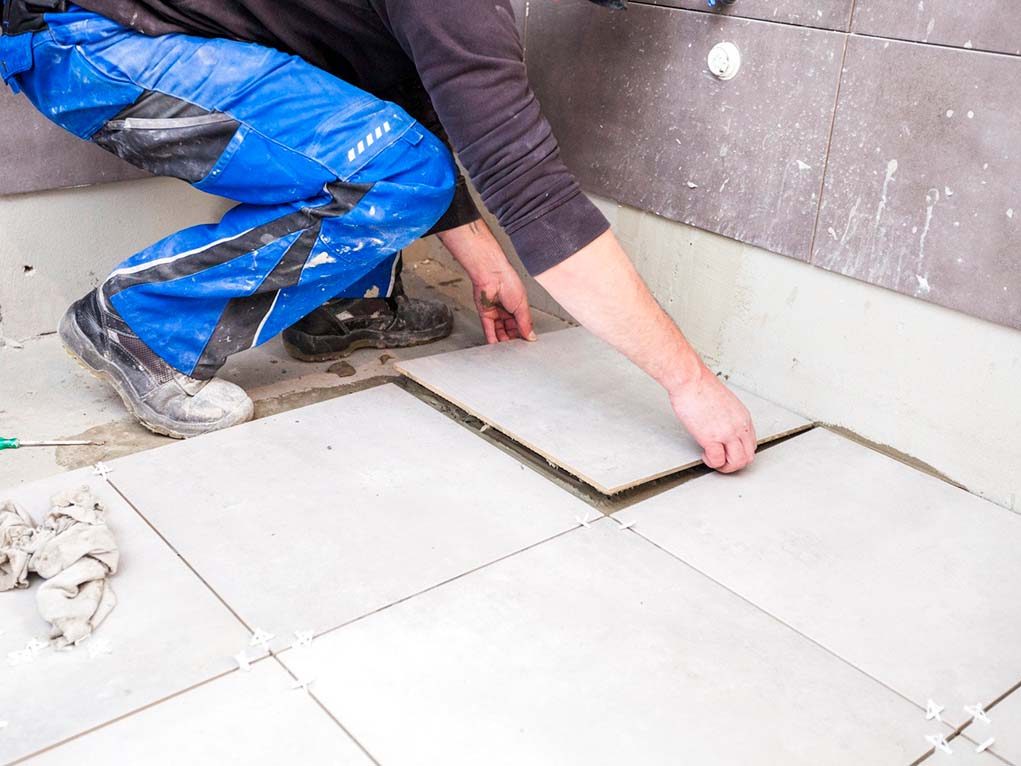
More shower failures come from waterproofing than from tile itself. A shower can look flawless on installation day and still leak into a ceiling or a neighboring condo unit a year later if the membrane underneath wasn't installed correctly, the slope to the drain is off, or a niche or bench was framed without its own waterproofing detail. Elite Tile Installers Miami treats waterproofing as its own discipline, not an afterthought before the tile goes up, on every shower we build across Miami-Dade.
We install both sheet-membrane systems like Schluter-Kerdi and traditional mud-pan-and-liner shower pans depending on the shower's design and your existing framing, and we build niches, benches, and curbs as fully integrated, individually waterproofed elements rather than boxes tiled over and hoped for the best. In South Florida's humidity, and especially in condo buildings where a leak means liability to the unit below, getting this right isn't optional.
Whether you're building a brand-new shower from framing or replacing a failed one, we walk you through exactly which waterproofing system fits your project and why, before any tile selection conversation even starts. Call (305) 501-6723 for a free quote.
📞 Call (305) 501-6723
Request This Service
* Indicates required field
Waterproofing Systems: Schluter-Kerdi vs. Traditional Mud Pan
Schluter-Kerdi and similar sheet-membrane systems bond directly to cement board or properly-prepped drywall and waterproof the entire shower enclosure — walls included, not just the pan — which makes them excellent for showers with niches, benches, and multiple wall penetrations. A traditional mud-pan shower uses a mortar bed sloped over a rubber or PVC liner set beneath it, a proven, code-recognized method that's often the right call on a shower floor being rebuilt within an existing footprint. We evaluate your shower's framing and design before recommending which system fits.
Both systems work when they're installed correctly and are matched to the right situation — the wrong choice isn't usually the sheet-membrane system or the mud pan itself, it's skipping steps within either one, like an unsealed seam in a Kerdi installation or a liner that wasn't properly folded and sealed at the corners in a mud-pan build. We follow manufacturer installation instructions exactly rather than treating either system as a shortcut.
Niche & Bench Construction
A shower niche or bench is one of the most common leak points because it's easy to frame and tile without giving it its own waterproofing detail — every inside corner and seam in a niche needs to be sealed just as carefully as the shower floor. We build niches with pre-formed or properly flashed and waterproofed boxes, and benches with a slight forward slope of their own so water drains off rather than pooling against the wall behind them.
We also plan niche and bench placement with the tile layout in mind from the start, sizing them to align with the tile pattern rather than forcing awkward cuts around them later. A niche that lines up cleanly with the surrounding tile courses looks like it was designed into the shower from day one, not added on afterward.
Slope for Proper Drainage
A shower floor needs a consistent slope — typically around a quarter-inch per foot — toward the drain from every direction, with no low spots where water sits after the shower is turned off. We check slope with a level at multiple points during the mud-bed or pre-slope stage, before tile ever goes down, since a flat spot that gets discovered after tile is set means tearing the floor back out.
This step also matters for linear drain showers, which have become popular in newer Miami-Dade builds for their clean, curbless look — a linear drain typically needs a single-direction slope rather than a four-way slope to a center drain, which changes the mud-bed work but is no less important to get precisely right.
Tile Format Differences for Shower Walls vs. Floors
Shower floor tile needs to be small enough — generally 2x2 mosaic or similar — to follow the slope toward the drain without leaving large flat tiles awkwardly angled across multiple planes. Shower walls can run larger-format tile for a cleaner, more modern look with fewer grout lines, though large-format tile on a shower wall demands very flat substrate prep since there's no grout line every few inches to hide minor waviness.
We frequently pair a small-format mosaic floor with a large-format wall tile in the same shower — a combination that gives the practical drainage benefit where it's needed and the cleaner, more modern look on the walls where large tile performs best.
Grout Types for Wet Environments: Epoxy vs. Sanded
We use epoxy grout in the majority of shower installs because it's non-porous, doesn't need sealing, and stands up to constant water exposure and cleaning without the mildew staining standard cement grout can develop over time in a high-humidity climate like Miami's. Sanded cement grout with a quality sealer is a lower-cost option that still performs well when it's sealed and maintained, and we'll talk through that tradeoff during your quote.
Epoxy grout is slightly more involved to install and work with during setting, which is why it carries a higher labor cost than cement grout — but for a surface that's wet nearly every day, most of our clients find the reduced long-term maintenance and mildew resistance worth that upfront difference.
Signs of Failing Waterproofing
Grout that's discolored despite regular cleaning, a musty or mildew smell in or near the bathroom, tile that feels loose underfoot in the shower, water stains appearing on a ceiling below the bathroom, or a neighboring condo unit reporting moisture are all signs the shower's waterproofing has failed, not just the surface grout. At that point, patching individual tiles doesn't address the membrane underneath — the shower typically needs to be rebuilt from the pan or wall substrate up.
In multi-story homes and condo buildings, a failing shower pan is often first noticed as a stain on a ceiling below or a complaint from a downstairs neighbor rather than anything visible in the shower itself — by the time that happens, the leak has usually been active for a while, which is why we recommend addressing early warning signs like loose tile or persistent grout discoloration before they progress that far.
What Drives Shower Installation Cost
Shower cost depends on the waterproofing system chosen, the shower's footprint and height, how many niches, benches, and curb details are included, tile material, and whether the job starts from existing framing or requires demo of a failed shower first. A properly waterproofed shower costs more up front than a shortcut version, but it's the part of the job least worth cutting corners on given what a leak costs to fix later — especially in a multi-unit building.
A curbless, linear-drain shower generally costs more than a standard curbed shower due to the more involved slope and waterproofing detail required at the transition to the bathroom floor, but it's an increasingly requested feature for both its modern look and its accessibility benefits.
Warranty & Florida Code Compliance
We build showers to meet current waterproofing standards and stand behind our workmanship. We're a licensed and insured Florida contractor, which matters specifically for shower work because waterproofing failures are one of the most common and costly construction-defect claims in South Florida's humid, high-density housing stock — insurance and proper licensing aren't just paperwork here, they're what stands behind the work if something ever does go wrong.
We're glad to walk you through exactly which waterproofing products and methods we're using on your specific shower before work starts, including manufacturer warranty information on the membrane system itself, so you understand what's actually backing the work beyond our own workmanship guarantee.
Shower Tile Installation & Waterproofing FAQs
How do I know if my shower needs to be rebuilt versus just re-tiled?
If the leak or failure traces back to the waterproofing membrane or pan rather than just surface grout, re-tiling over it doesn't fix anything — the shower needs to come apart down to the substrate so the waterproofing can be redone properly. We assess this during your quote before recommending a full rebuild versus a surface-level fix.
Can you match my HOA or condo building's shower waterproofing requirements?
Yes — many Miami-Dade condo buildings, particularly in Brickell and Aventura, have specific waterproofing and insurance documentation requirements for any wet-area renovation. We're familiar with these requirements and can provide the certificates of insurance and waterproofing detail documentation buildings typically request.
How long do I need to wait before using a new shower?
We build in cure time for waterproofing membrane and thinset before grouting, and grout itself needs to cure before the shower is used, so a full rebuild typically isn't ready for use for a few days after tile setting is complete. We'll give you an exact date before we finish the job.
Areas We Serve
Proudly providing tile installation across the region:
- Coral Gables, FL
- Miami Beach, FL
- Kendall, FL
- Doral, FL
- Aventura, FL
- Brickell, FL
- Pinecrest, FL
- Hialeah, FL
- Homestead, FL
- Cutler Bay, FL
- Miami Lakes, FL
- South Miami, FL
Get Shower Tile Installation & Waterproofing in Miami Today
Fast response, upfront pricing, and friendly local pros. Call now for a free quote.
📞 Call (305) 501-6723